
Last week we revealed our first ocean data center to a group of close friends and partners. It was designed and built to incorporate the critical technologies that enable our upcoming 3MWe token factory and using the same supply chains (aluminum hull built by our partner shipyard, large-diameter hydrokinetic turbine, high-lift wing sail, and seawater cooling).
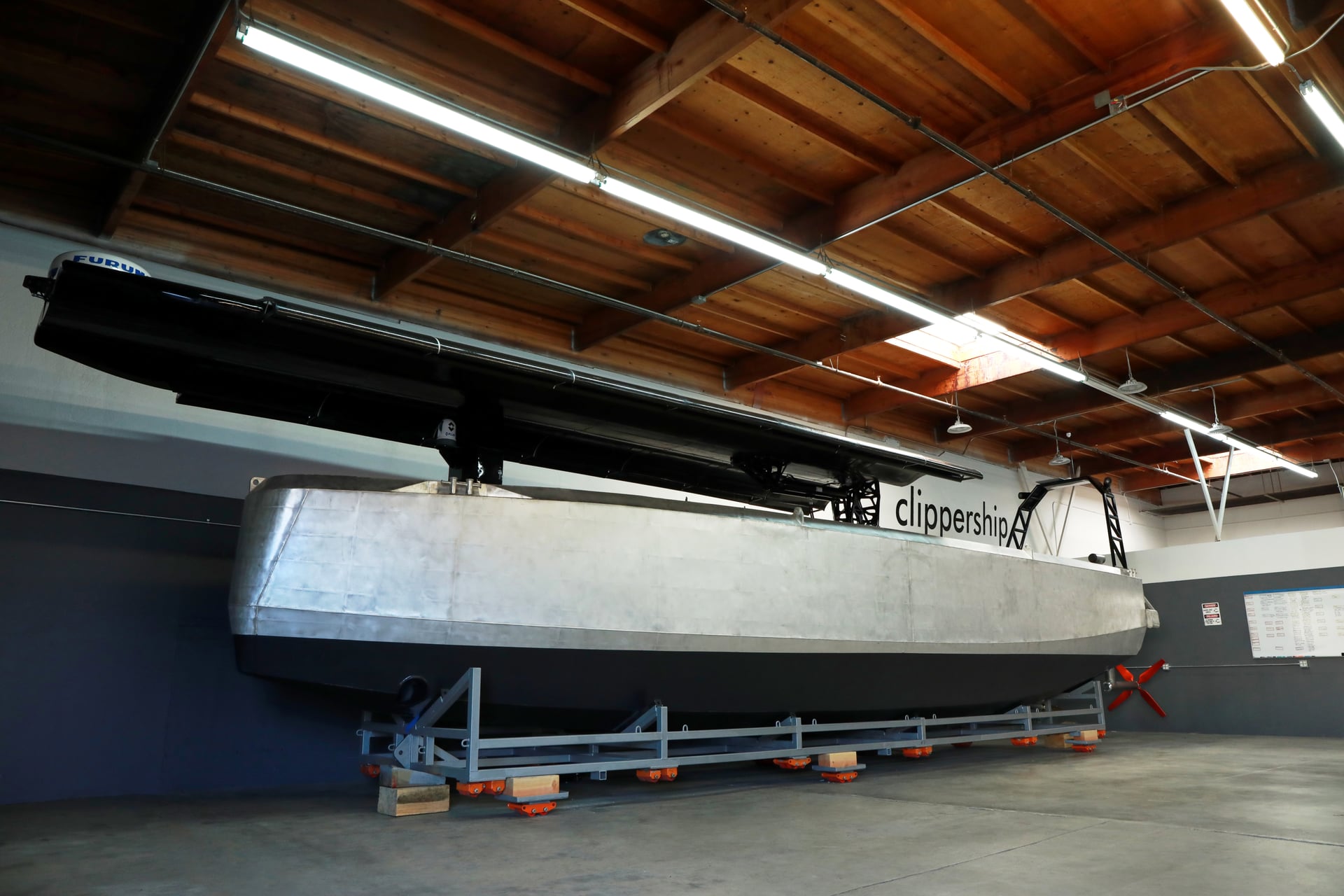
Figure 1. Clippership’s first node in the workshop.
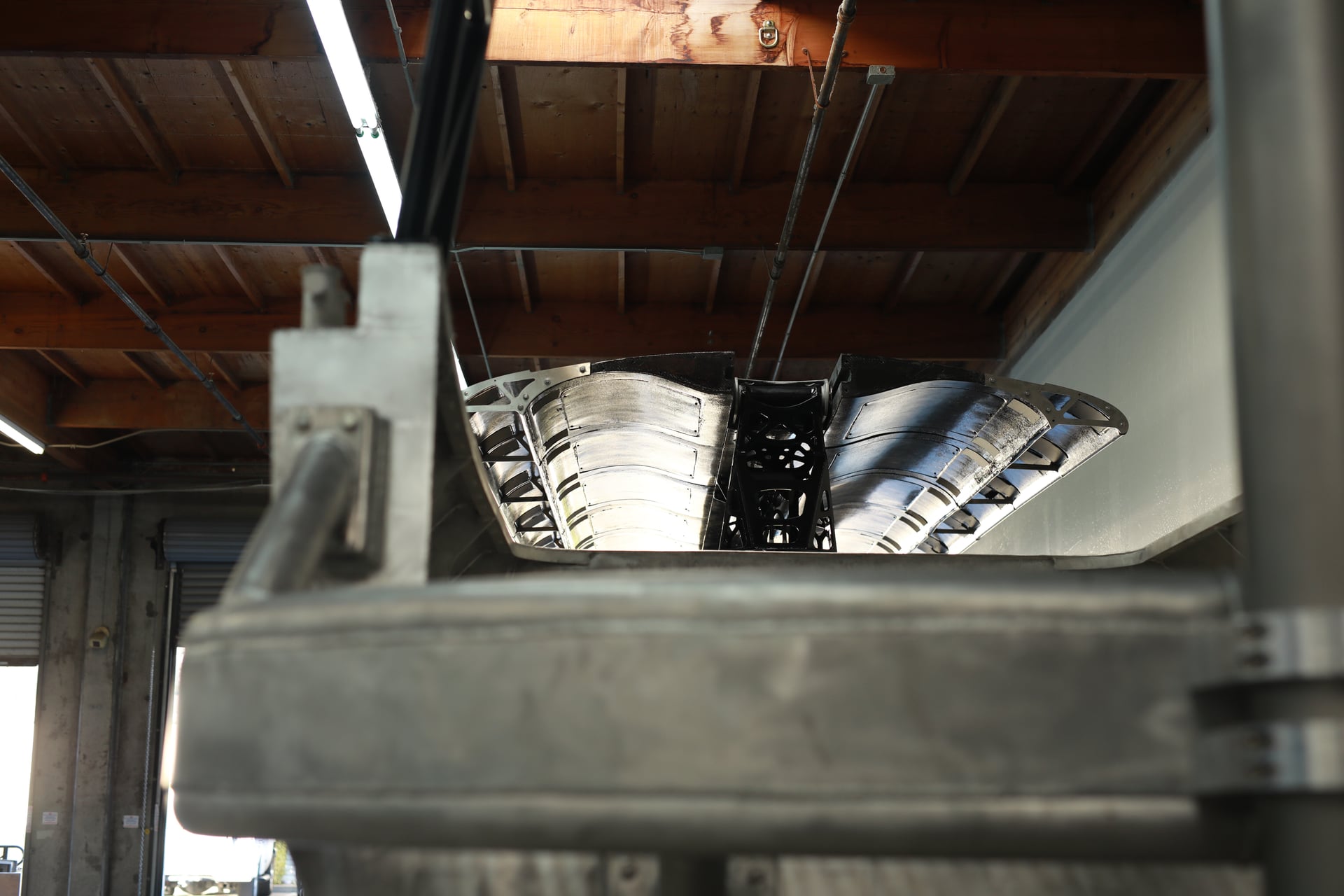
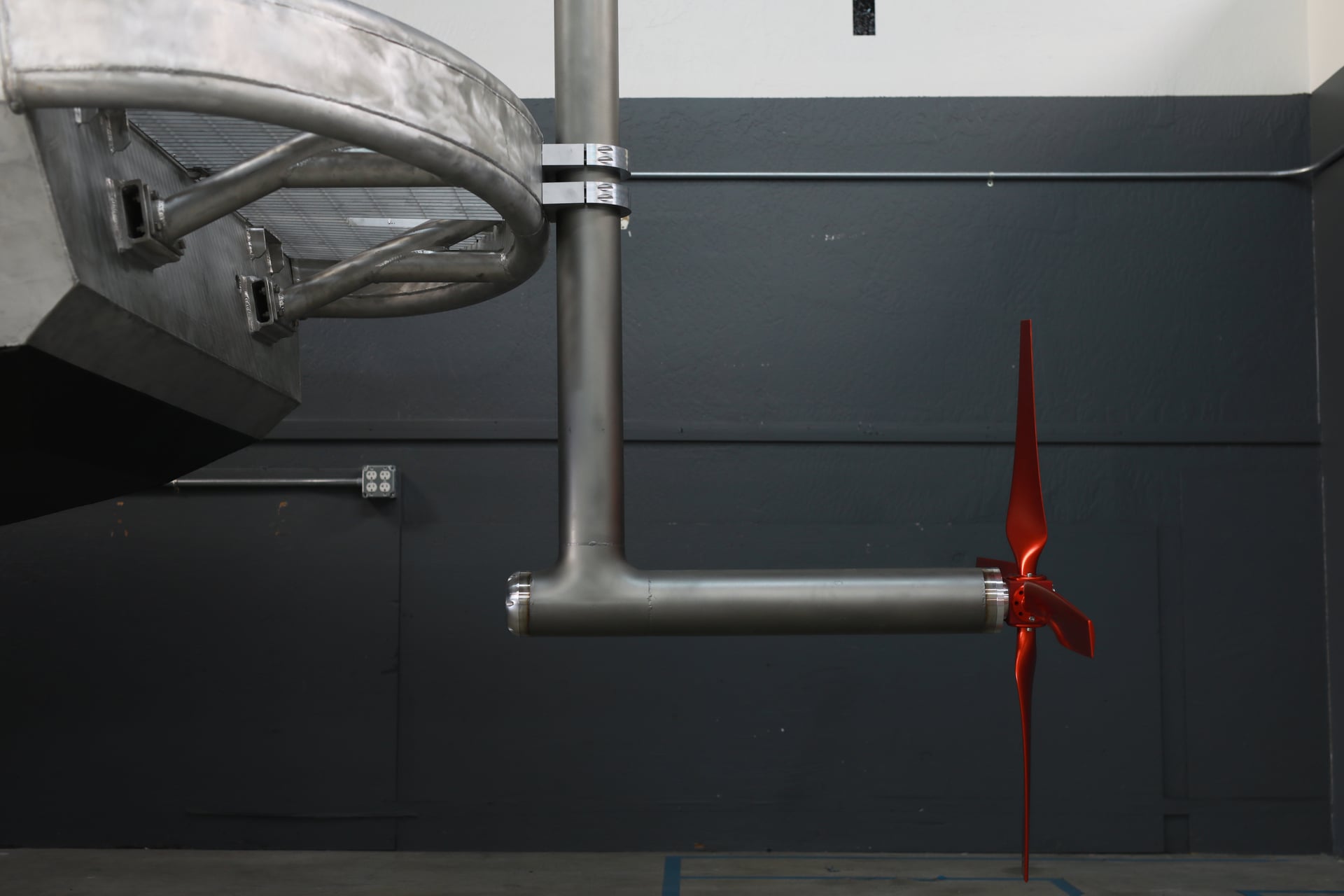
Figures 2 & 3. Aluminum construction details and turbine assembly.
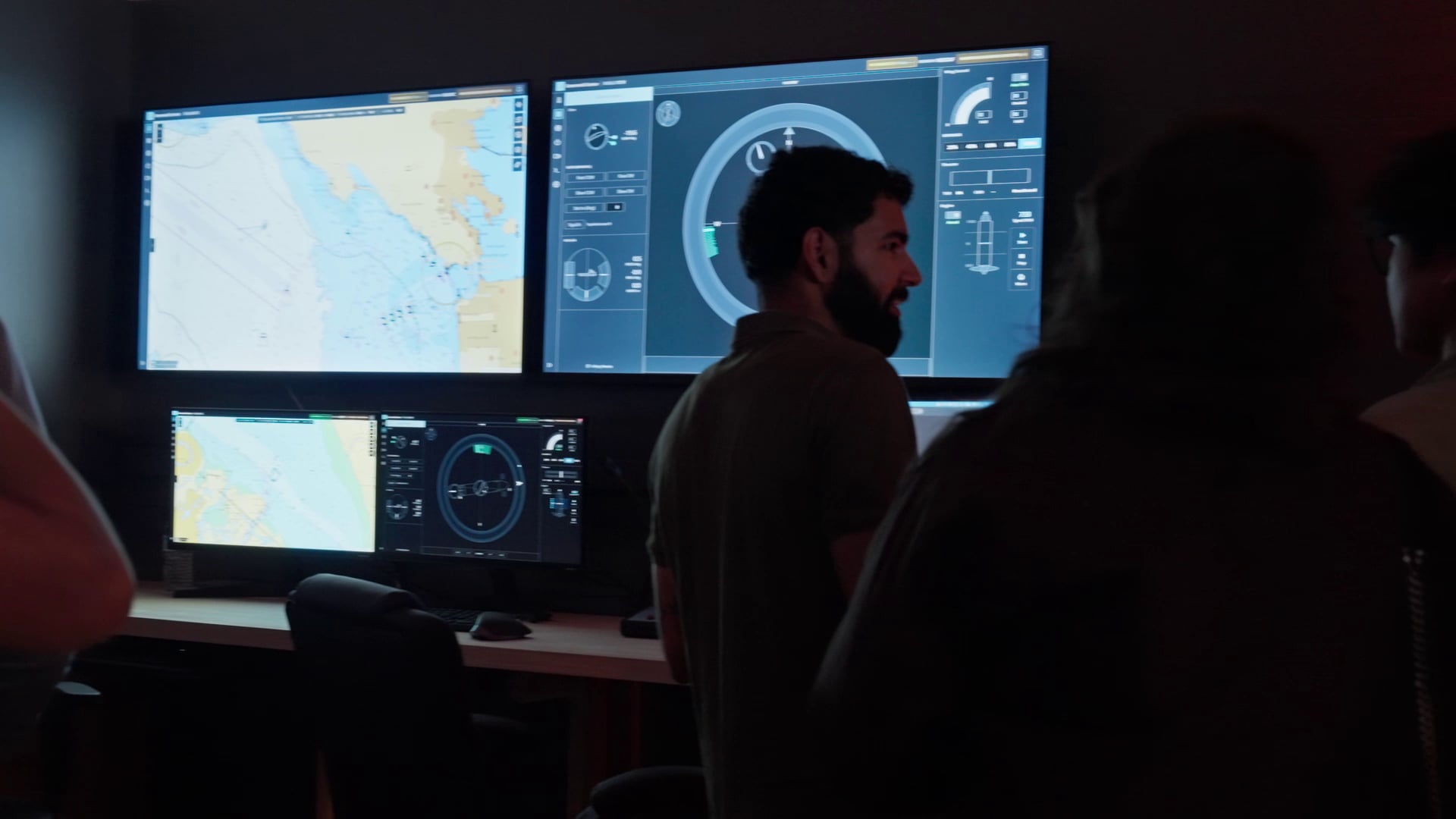
Figure 4. Navigation and vessel-monitoring systems at the reveal.
So why now?
Over the past few weeks, debt markets have signaled low confidence in the viability of land-based data center buildout, even as token consumption is exploding, and GPU rental prices are skyrocketing in a 'Monty Python cheese shop' level supply scarcity environment. The main culprits: access to power, permitting issues, and familiar land-based infrastructure construction delays prevent bought and paid for GPUs from coming online.
To that we say:
- Data centers should be operated on the ocean where consistent power, space, and cooling are abundant. From a regulatory perspective, these are ships, whose permitting process is straightforward, well defined, and fast.
- Data centers should be manufactured in shipyards that already build systems of equivalent complexity and size in 12-18 months, not built as one-off real estate projects where the 100th GW is just as hard as the 10th GW.
Next up: launch and sea trials, then power and first tokens.